Home › Masonry Restoration and Historic Preservation
We specialize in masonry restoration in Cleveland, OH for historic and aging commercial buildings. Our team carefully matches brick, stone, and mortar to existing materials to maintain original character. Using gentle cleaning, selective rebuilding, and precise repointing, we protect the long term integrity and appearance of important masonry structures.
Primetime Masonry Cleveland provides professional masonry restoration throughout Cleveland, OH and the surrounding area. Our licensed, insured crew delivers safe, clean, on-time work with a free estimate before anything begins. Call (216) 859-1307 or request your free quote.
Masonry restoration for Cleveland homes and landmarks
Cleveland has a huge mix of brick and stone buildings from different eras, and each one needs its own approach. Primetime Masonry Cleveland focuses on masonry restoration that respects how your building was built in the first place, while making it solid and weather resistant for decades to come.
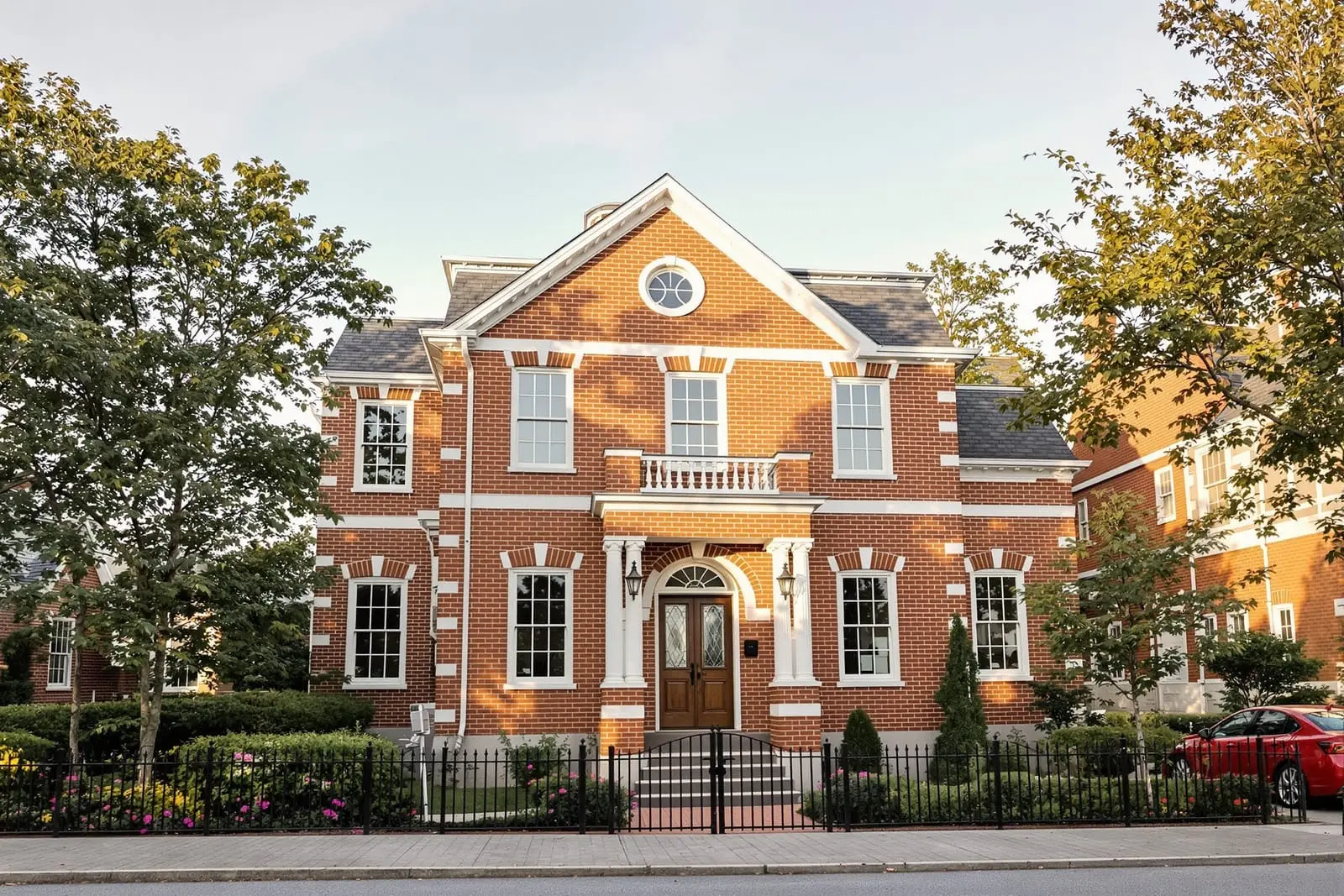
We regularly work on early 1900s brick homes in neighborhoods like Old Brooklyn and Tremont, mid‑century commercial buildings along Lorain Avenue, and stone entryways on older churches and schools. Instead of treating them all the same, we look at the original materials, the construction method, and how Lake Erie weather has affected them.
When you call us for masonry restoration, our first job is to understand what you have. We look at the color, size, and firing style of the brick, the type of stone, the original mortar profile, and how water currently moves over the walls. That information shapes everything that follows, from mortar recipes to repair techniques, so repairs blend in and do not cause new damage down the road.
How our masonry restoration process works
Every restoration project starts with a detailed condition assessment. We walk the property with you and mark areas of concern: cracked or bulging brick, missing mortar, spalled faces, crumbling chimneys, and water entry points around windows, sills, and parapets. We often use moisture meters and a simple plumb line to check if walls are out of plane.
Next, we test the existing mortar and materials. On older Cleveland homes, especially pre‑World War II, we often find soft lime‑based mortar instead of modern Portland‑heavy mixes. Matching that softer mortar is critical. If we use something too hard, the brick faces can crack or pop off during freeze‑thaw cycles.
After planning, we set up protection for landscaping, windows, and walkways. We remove only the failing material, whether that is 3/4 inch of loose mortar with a grinder and hand chisel, or delaminated brick faces with careful hand tools. We never smear new mortar over old joints. Proper removal creates a clean, square cavity for new mortar to bond.
Rebuilding damaged areas might involve tooth‑in brick replacement, stitching cracks with helical ties, pinning loose stones, or resetting displaced sills and copings. Throughout the process, we keep you informed with photos and short check‑ins so you know exactly what we are seeing inside the wall.
Historic preservation and period‑correct details
Historic preservation goes further than simple repair. It means keeping the original character of your building intact. Primetime Masonry Cleveland works to follow the spirit of the Secretary of the Interior’s Standards for Rehabilitation, which many local historic commissions reference, even if your property is not officially listed.
On century homes in Ohio City or Detroit Shoreway, that can mean duplicating the narrow, raked mortar joints and slightly irregular brick coursing that give those facades their look. On stone churches and civic buildings, we might replicate hand‑tooled joints or decorative elements around entries and windows.
We often perform mortar analysis to match color and texture. This is done with sample batches that we hold up to your existing wall in natural light. We adjust sand blend, pigment, and aggregate size until the new work disappears into the old. If your building has ornamental terra cotta or carved stone that is cracked, we look at repair options such as pinning, patching with compatible restoration mortars, or in rare cases, having replacement units fabricated.
For properties inside local historic districts, we are used to preparing photos and simple scope descriptions that you can submit to design review boards. We can also phase work over several seasons so that budgets stay manageable while preservation moves forward.
Common masonry problems in Cleveland’s climate
Cleveland’s lake effect weather is tough on masonry. Moisture gets into small cracks, then freezes and expands. Over time that breaks faces off brick, opens mortar joints, and can even shift entire sections of wall.
We frequently see spalling brick near grade, especially on walls without proper drainage or splash protection. Salt used on sidewalks can accelerate this, so we look carefully at the first three courses of brick and any retaining walls by driveways. Where brick is too damaged to save, we replace it with reclaimed or compatible units, then address the source of moisture by improving drainage or adding discreet flashing.
On older chimneys in neighborhoods like Lakewood and Collinwood, we see cracked crowns, missing mortar on the upper courses, and damaged flue liners. Restoration often includes repointing the top few feet, installing a new reinforced concrete crown with proper slope and drip edges, and adding a masonry cap to cut down on direct water entry.
We also deal with efflorescence, the white powdery buildup you see on interior or exterior walls. This is a sign of water moving through the masonry. Instead of just cleaning it off, we try to track the moisture path. That might mean sealing failed window flashings, improving tuckpointing at parapets, or venting a wall that was sealed too tightly with non‑breathable coatings in the past.
Materials, methods, and matching old work
True masonry restoration is as much about what you do not use as what you do. Primetime Masonry Cleveland avoids incompatible patching materials, such as hard cement on soft brick, or silicone caulk where breathable mortar should be.
For repointing, we choose mortar type based on the age and condition of your structure. Many early 1900s brick homes get a Type O or custom lime‑rich mix that is softer and more flexible. Newer masonry may be better suited to Type N or S, especially on load‑bearing or exposed areas. We match sand color, particle size, and joint tooling so repairs do not stand out.
When matching brick, we draw from regional yards that carry reclaimed and reproduction units common to Northeast Ohio. We compare samples onsite in daylight, not under shop lights, because Cleveland’s sky and seasonal lighting can change how a wall reads from the street.
Cleaning historic masonry is another area where method matters. Instead of blasting, which can permanently etch brick and stone, we typically use low‑pressure water and masonry‑safe cleaners, starting with the least aggressive option. Only in specific cases, like heavy carbon staining on industrial buildings, do we step up to carefully controlled abrasive methods, and only after testing a small, hidden area.
What affects cost and timeline for masonry restoration
Restoration pricing depends on access, extent of damage, and how closely materials must be matched. A simple ground‑level repointing project on a single‑story garage in Parma is very different from a four‑story facade in downtown Cleveland that needs lift equipment and traffic control.
Deterioration depth is a major factor. If mortar is only loose in the outer 1/2 inch, work moves faster. If joints are empty deeper inside the wall, we must rake and pack more carefully in layers. The same is true for brick and stone. Surface spalls are simpler than full‑depth failures that require structural repairs.
Historic detailing also adds time, because we mix more sample mortars and sometimes custom order brick or stone. However, we are upfront about these costs. Primetime Masonry Cleveland provides written scopes that separate must‑do structural work from optional appearance upgrades. That way, you can phase the project if needed.
Weather is another local factor. In Cleveland, exterior restoration is usually scheduled from late spring through early fall, when mortar can cure correctly. We can work in cooler weather with additives and tenting, but that may affect cost. If you are trying to coordinate with other exterior work, such as roofing or window replacement, we help you sequence trades so flashing and masonry tie into each other correctly.
What to expect when you hire Primetime Masonry Cleveland
Working on an older building can feel stressful, especially if you are worried about hidden problems or losing original character. Our goal is to make the process transparent and manageable.
First, we meet onsite to discuss your concerns and your plans for the property. Some owners are preparing to sell and want critical repairs only. Others intend to stay long term and want to restore details that were removed in past remodels. We tailor our recommendations accordingly.
You receive a clear written proposal that lists the areas we will touch, the type of mortar to be used, the brick or stone sourcing approach, and any allowances for hidden conditions. During the job, we keep the site as tidy as possible, cover walkways, and coordinate around your schedule and neighbors. For downtown or commercial properties, we can work in off‑hours or phases to reduce disruption.
At completion, we walk the project with you and point out the repairs so you know what was done and why. We also explain basic maintenance, such as how often to inspect your mortar joints, when to call about new cracks, and what to avoid, like painting soft brick with non‑breathable coatings. The result is a building that looks right for its age, performs better in Cleveland’s climate, and holds its value over time.
“
Professional masonry restoration and historic preservation, done right the first time, quality materials, honest pricing, and results that last.
Primetime Masonry Cleveland
Masonry Restoration and Historic Preservation Across Our Service Area